📋 In this guide:
- How to read your electricity bill in five steps
- Usage charges depend on how much and when
- Daily supply charges apply even when you use nothing
- Your usage graph shows where the money goes
- Tesseract ZERO replaces part of grid usage with home energy
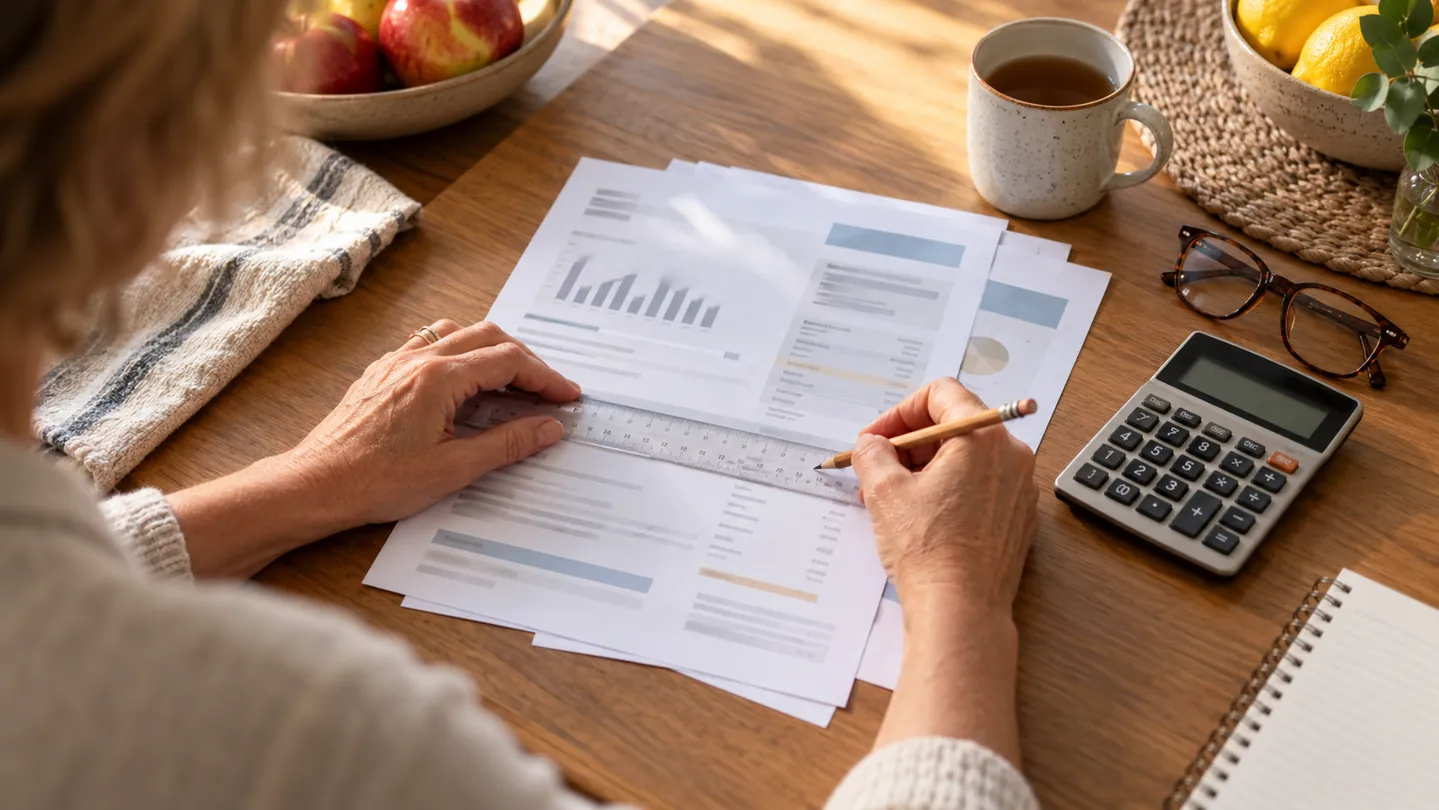
Most people look at two things on a power bill: the amount due and the due date. Everything else gets a quick glance and a sigh. But if you want to lower that number, knowing how to read your electricity bill is the place to start. The answers to “why is it so high?” are usually printed right there on page two.
Bills in Sydney and Adelaide look a little different depending on your retailer, but they all carry the same core information. Once you know where to look, you can spot whether you’re on the right plan, when your household uses the most power, and which costs you can actually change. This guide walks you through it, line by line.
Step 1: Check Your Plan and Network
Near the top of your bill you’ll find your plan name and your distribution network. In Sydney that’s usually Ausgrid or Endeavour Energy. In Adelaide it’s SA Power Networks.
Why does it matter? Your network affects the price you pay and the time-of-use windows that apply. Your plan name also tells you whether you’re on a market offer or a “standing offer”, the default plan for people who have never chosen one. Standing offers are often more expensive, so if you see those words, it’s worth comparing.
Step 2: Find Your Usage Charges
Usage charges are what you pay for each kilowatt-hour (kWh) of electricity you use. One kWh is roughly the energy a 1,000-watt heater uses in an hour.
Your bill will show one of two things:
- A flat rate: one price per kWh, whatever the time
- Time-of-use rates: separate peak, shoulder and off-peak prices
If you’re on time-of-use, look at how many kWh fall into each band. A household that uses most of its power in the peak window pays far more per kWh than one that uses it at midday. Peak grid rates can reach up to 56¢ per kWh.
Step 3: Find the Daily Supply Charge
This is a fixed amount you pay for every day in the billing period, just for being connected to the grid. It doesn’t change with your usage. Multiply it by the number of days in the period, and you’ll see how much of your bill arrives before you switch on a single light.
For smaller households especially, the supply charge can be a surprisingly large share of the total.
Step 4: Look for Solar Credits and Discounts
If you have solar, your bill will show a feed-in credit for the energy you exported to the grid. Compare the kWh exported with the credit rate. Feed-in tariffs have been falling in NSW. IPART’s 2026–27 benchmark is just 3.4 to 6.5¢ per kWh, so many solar homes earn only a few cents for each kWh they export.
Check the discounts too. Pay-on-time or direct-debit discounts only apply if you meet the condition. Missing one payment can make a “cheap” plan expensive.
Step 5: Read the Usage Graph
Most bills include a graph comparing this period with the same period last year, and sometimes with similar households nearby. This is one of the most useful parts of the bill, and one of the most ignored.
Picture a couple in Norwood who notice their winter bill jumped by a third. The graph shows why: their daily usage rose sharply in July, the month they started working from home and running a heater all day. Nothing was wrong with the plan. The change was in how they lived.
For more detail, most retailers let you download half-hourly data through their app if you have a smart meter. That shows exactly when your household uses power.
What to Do With What You’ve Found
Once you can read your bill, three questions become easy to answer:
- Am I on the right plan? Compare your usage pattern against other plans using the government’s Energy Made Easy website.
- When do I use the most power? If it’s the evening peak, that’s where savings are hiding.
- How much do I rely on the grid? The more energy your home imports, the more exposed you are to price changes.
Our guide to time-of-use electricity in NSW explains the peak windows in more detail, and our solar vs grid electricity guide looks at the alternatives.
How Is Tesseract ZERO Different?
Your bill shows how much grid energy your home buys and at what price. Tesseract ZERO is a third way to energy that changes that balance. We install solar and battery technology at your home, own it and manage it. Your home generates clean energy during the day and stores it for later, so it imports less electricity from the grid.
You pay a fixed 28¢ per kWh for the clean energy your home uses, fixed for the 10-year agreement term, with $0 upfront. Solar generated at home can cover up to 70% of a household’s daily energy, and you stay connected to the grid for the rest. See how it works on the Tesseract ZERO page.
FAQ
What is the daily supply charge on my electricity bill?
It’s a fixed daily amount you pay to stay connected to the grid, regardless of how much electricity you use. It covers network and metering costs.
How do I know if I’m on a time-of-use tariff?
Your bill will list separate peak, off-peak and possibly shoulder rates. If you only see one usage rate, you’re on a flat rate.
What does kWh mean on my power bill?
A kilowatt-hour (kWh) is the unit your electricity use is measured in. It’s roughly the energy a 1,000-watt appliance uses in one hour.
Conclusion
Knowing how to read your electricity bill turns it from a monthly shock into a useful tool. Check your plan and network, understand your usage and supply charges, look closely at credits and discounts, and read the usage graph. Then you’ll know exactly where your money is going, and what you can do about it.
Want a second pair of eyes on yours? Send us one power bill. No cost, no obligation — and if it isn’t a good fit, we’ll tell you. Get in touch.
How is Tesseract ZERO different?
Clean energy made at your home, without buying the system.
Tesseract installs, owns and maintains solar and a battery at your home. You pay only for the clean energy you use, at one fixed rate for 10 years.