📋 In this guide:
- Solar on older homes works, with a few extra checks
- Roof age and material matter before any panels go up
- Pre-1990 homes may contain asbestos in roofing
- Older switchboards often need upgrading for safety
- Tesseract ZERO means no system purchase or upkeep
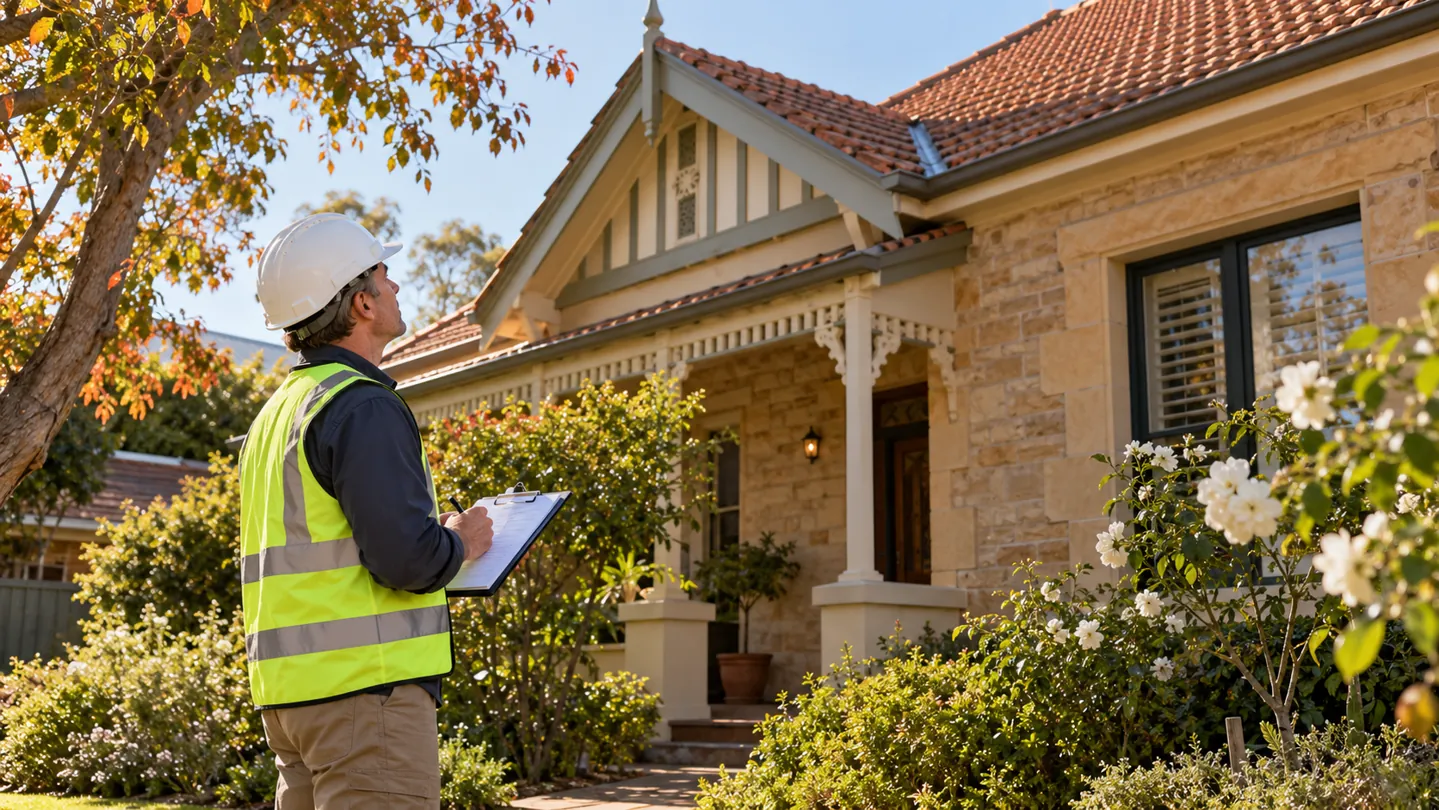
Adelaide is full of homes with character: stone-fronted villas in Norwood, bungalows in Prospect, solid brick homes from the 60s and 70s across the suburbs. They’re beautiful, they’re built to last, and they often come with power bills to match. So it’s no surprise that plenty of owners are asking whether solar on older homes is realistic.
Usually, it is. But an older house brings a few questions a brand-new build doesn’t. Is the roof up to it? Is the switchboard? Are there planning rules to think about? This guide walks through what to check first, so there are no surprises halfway through the process.
1. Roof Condition and Material
Panels will sit on your roof for many years, so the roof underneath needs to last at least as long.
- Terracotta and concrete tiles are common on older Adelaide homes and generally suit solar, though brittle old tiles can crack during installation. Good installers carry spares.
- Corrugated iron is often the easiest to work with, as long as it isn’t heavily rusted.
- Slate is beautiful but fragile, and not every installer will work on it.
If your roof is near the end of its life, it’s usually worth repairing or replacing it before panels go on. Removing panels later to fix the roof adds cost and hassle.
2. Asbestos
This is the big one for homes built before 1990. Asbestos was widely used in Australian building materials, including some roof sheeting, eaves and the backing boards of old switchboards. Drilling into or disturbing asbestos is dangerous, and installers generally won’t mount panels on an asbestos cement roof.
If your home is from that era and you’re not sure, have the relevant materials assessed by a licensed professional before any work starts. SafeWork SA publishes guidance for homeowners.
3. The Switchboard
Picture a 1950s home in Colonel Light Gardens with the original switchboard still on the wall: ceramic fuses, a timber backing board, and no safety switches. It has worked for seventy years, so why touch it? Because modern solar and battery systems need a switchboard that can safely handle them, and many older boards can’t.
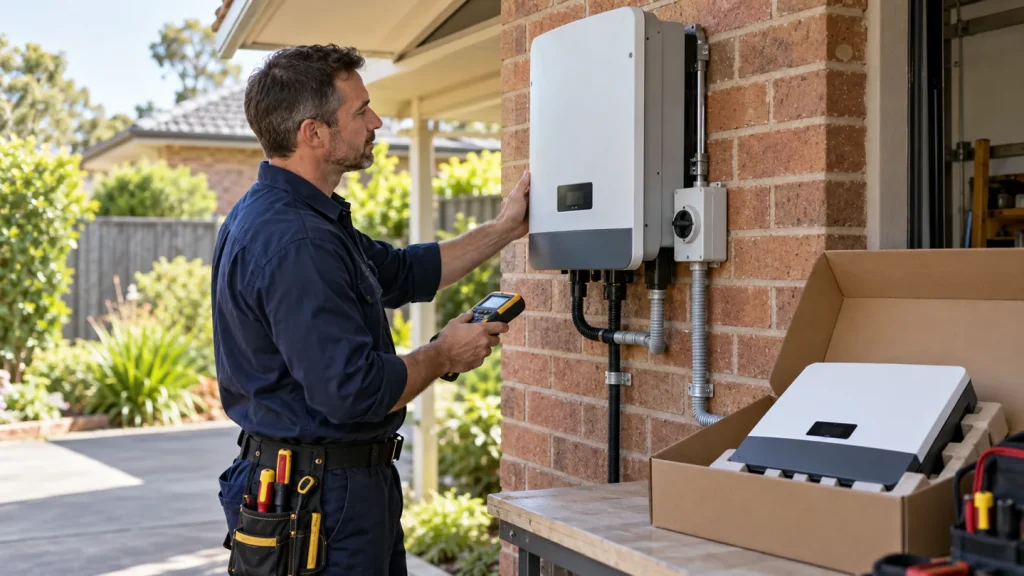
A switchboard upgrade typically means replacing old fuses with modern circuit breakers and adding safety switches (residual current devices), which protect people from electric shock. It’s often a smart safety upgrade in its own right. Ask early whether your board needs work, and who pays for it.
4. Heritage and Character Overlays
Parts of Adelaide sit within historic or character areas under South Australia’s planning rules. Solar panels are often allowed without a formal application, but in some heritage settings, especially where panels would be visible from the street, approval may be needed. The simplest step is to check with your local council before you commit.
5. Shade From Mature Trees
Older suburbs tend to have big, beautiful trees, and big trees cast big shadows. Even partial shade on part of a panel array can reduce output noticeably. A good assessment looks at where the sun travels across your roof through the year, not just at midday in summer.
6. Orientation and Space
Older homes weren’t designed with solar in mind, so the best roof face isn’t always the obvious one. North-facing roofs catch the most sun in Australia, but east and west faces can work well too, especially west, which produces more in the late afternoon when evening demand starts to climb.
Owning a System on an Older Home
If you buy a system yourself, every one of these checks becomes your project to manage and pay for, on top of the system. A typical solar and battery system can cost $14,000 to $28,000, even after rebates. And you take on the maintenance responsibility for the life of the equipment. Our list of questions to ask a solar installer is worth having handy.
How Is Tesseract ZERO Different?
Tesseract ZERO is a third way to energy. Instead of buying a system and managing it yourself, you let Tesseract install solar and battery technology at your home, own it, operate it and manage it. There’s $0 upfront, no system purchase, no solar loan and no maintenance responsibility on your side.
You pay a fixed 28¢ per kWh for the clean energy your home uses, fixed for the 10-year agreement term. Tesseract was founded in South Australia in 2018. Learn more on the Tesseract ZERO page.
FAQ
Can you put solar panels on an old roof?
Often, yes, as long as the roof is structurally sound and has plenty of life left. If it’s close to needing replacement, fix the roof first so panels don’t have to come off later.
Do I need a switchboard upgrade for solar?
Many older homes do. Boards with ceramic fuses and no safety switches often need upgrading before solar and battery systems can be connected safely.
Can I install solar on a heritage home in Adelaide?
Frequently, yes, but some heritage and character areas may need planning approval, particularly if panels are visible from the street. Check with your council first.
Conclusion
Solar on older homes is very achievable in Adelaide, but it pays to check the roof, look for asbestos, assess the switchboard, and confirm any planning rules before you commit. Doing those checks up front keeps the project smooth and the costs clear.
Wondering where your home stands? Send us one power bill. No cost, no obligation — and if it isn’t a good fit, we’ll tell you. Get in touch.
How is Tesseract ZERO different?
Clean energy made at your home, without buying the system.
Tesseract installs, owns and maintains solar and a battery at your home. You pay only for the clean energy you use, at one fixed rate for 10 years.