📋 In this guide:
- Solar subscription in Australia: pay monthly, no system to buy
- A fixed rate replaces unpredictable grid pricing
- No upfront cost and no maintenance to manage
- Compare against buying outright or a loan
- Tesseract ZERO offers a fixed $0.28/kWh for 10 years
You subscribe to streaming, music, maybe your phone, your groceries. The model is familiar: pay a regular amount, get the service, skip the big purchase and the upkeep. A solar subscription Australia households can now choose applies that same idea to your home’s power. Instead of buying a solar system, you pay a set rate to use one, and someone else owns and maintains it.
It’s a small shift in language with a big effect on the decision. Buying solar makes you ask “can I afford the system?” A subscription makes you ask “is this rate cheaper than what I pay now?” For households that have always wanted solar but balked at the upfront cost, that’s a very different conversation.
This guide explains what a solar subscription actually is, how the monthly cost works, how it stacks up against buying or financing, and what happens when the term ends.
What a Solar Subscription Actually Means
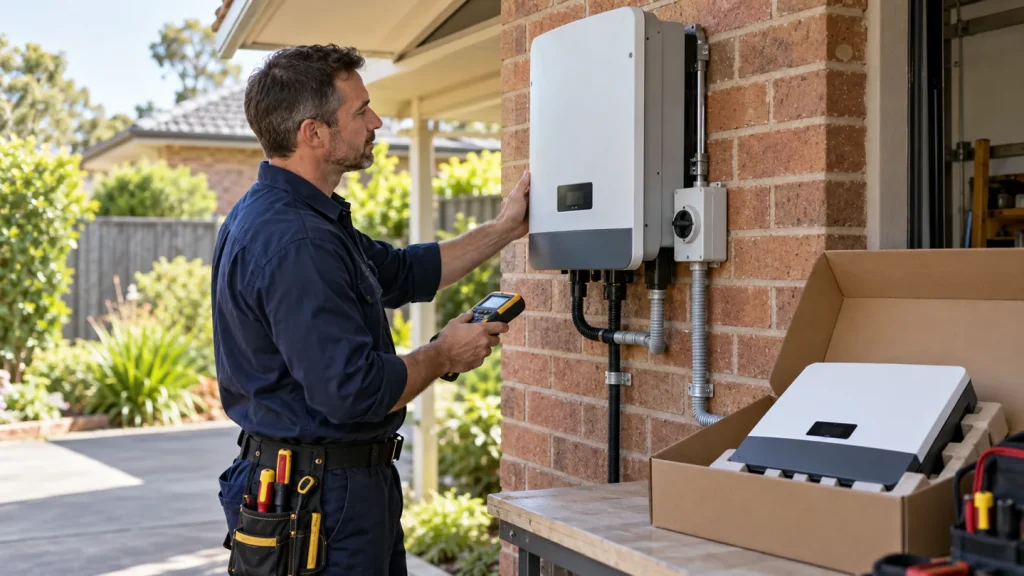
A solar subscription is a service arrangement where a provider installs, owns and maintains a solar system at your home, and you pay a regular amount to use the power it generates. You’re not buying hardware. You’re buying the outcome: cheaper, cleaner electricity, without owning the kit.
It’s closely related to a solar PPA and to energy-as-a-service. The common thread is that the system isn’t yours to buy, fix or worry about. Your job is simply to use the power and pay the agreed rate.
How the Monthly Cost Works (Fixed Rate Explained)
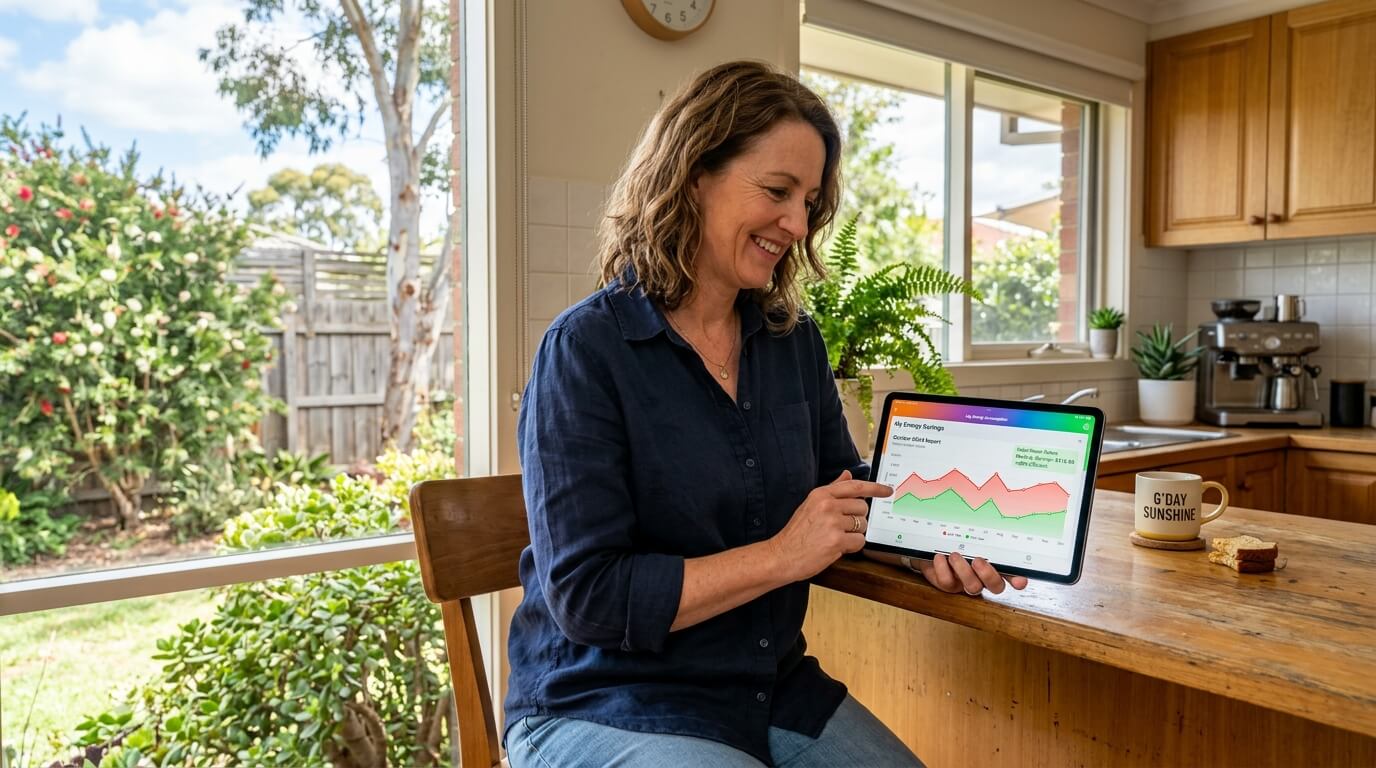
The appeal of a subscription is predictability. Rather than riding the grid’s peak rates and the annual price-rise letters, you pay a fixed rate for your power. You know what a kilowatt-hour costs you today, and you know it’ll cost the same in a few years.
Think about what that does to budgeting. Grid pricing is a moving target, different rates at different times of day, supply charges, and increases you don’t control. A fixed-rate subscription turns the most volatile bill in the house into a flat, plannable number. For anyone on a tight budget or a fixed income, that certainty can matter as much as the savings themselves.
Subscription vs Buying vs Loan
Buying outright. Biggest long-term savings, because the power is essentially free once the system’s paid off. But you carry the upfront cost, the maintenance and the risk of something failing.
A solar loan. Spreads the purchase over time, so less upfront, but you still own the system, owe a balance, and take on maintenance and repair risk once warranties lapse.
A subscription. No upfront cost, no maintenance, no repair risk, and a predictable rate, in exchange for paying for the power rather than owning the asset. You trade some long-term upside for certainty and zero hassle from the start.
The right choice depends on whether you value owning the asset and maximising decades-long savings, or avoiding the outlay and the upkeep for a lower, steadier bill now.
A Real-Life Scenario: The Fixed-Income Household
Picture a retired couple in regional Victoria on a fixed income. They’d ruled out solar because the upfront cost meant dipping into savings they didn’t want to touch, and they worried about being stuck with repair bills down the track. Every grid price rise made the situation tighter.
A subscription fit their situation. No money down, a rate they could count on, and no responsibility for maintenance or a failed inverter years later. Their power bill became a predictable line in the budget instead of a quarterly surprise. For them, the certainty was the whole point.
What would a flat, predictable energy rate do for your budget?
What Happens at the End of the Term
A fair question with any subscription: what happens when the agreement ends? Good arrangements are clear about this from the start. Typically you’ll have options such as renewing, having the system removed, or buying it. Some include the ability to exit early or transfer the agreement if you sell the home.
Before signing, make sure you understand the term length, the end-of-term options, and any conditions around selling your house or leaving early. A transparent provider will lay all of this out plainly.
Where Tesseract ZERO Fits In
Tesseract ZERO is a subscription-style energy-as-a-service plan. Tesseract installs and owns a 6.6kWp solar and 20kWh battery system at $0 upfront, covers all maintenance including the inverter, and you pay a fixed $0.28/kWh for 10 years through the Tesseract retail partner. The 10-year term includes options to exit early, transfer the agreement, or buy the system, so you’re not locked in without a path out. The fixed rate is the core of it: a predictable price while grid rates keep climbing.
The Bottom Line
A solar subscription in Australia lets you run your home on solar for no upfront cost, paying a predictable rate while the provider owns and maintains the system. It trades the long-term upside of ownership for certainty, simplicity and zero repair risk, which is exactly the trade many households want, especially anyone who’s been put off by the upfront price or worried about future maintenance. Just check the term, the rate, and your end-of-term and exit options before committing.
Want to see what a fixed rate would mean for your bills? Book a free assessment and we’ll compare it to what you pay the grid now.
For related models, see our guides on the solar PPA in Australia and what is energy-as-a-service in Australia. Next in this series we look at solar buyback in Australia.
Frequently Asked Questions
What is a solar subscription?
It’s a service where a provider installs, owns and maintains a solar system at your home, and you pay a regular, fixed rate to use the power it generates. There’s no upfront cost and no maintenance to manage, you’re paying for the electricity, not the hardware.
Is a solar subscription cheaper than buying solar?
Over the very long term, buying outright can save more once the system is paid off. A subscription’s advantage is no upfront cost, no maintenance, no repair risk and a predictable rate from day one. If the subscription rate is lower than your grid rate, you save immediately rather than waiting years to break even.
What happens at the end of a solar subscription?
It depends on the agreement, but common options include renewing, having the system removed, or buying it. Many plans also allow early exit or transfer if you sell your home. Always confirm the term length and end-of-term options before signing.
How is Tesseract ZERO different?
Clean energy made at your home, without buying the system.
Tesseract installs, owns and maintains solar and a battery at your home. You pay only for the clean energy you use, at one fixed rate for 10 years.