📋 In this guide:
- Solar feed-in tariff NSW benchmark is now 3.4–6.5¢
- Last year’s benchmark range was 4.8–7.3¢ per kWh
- Evening exports are worth more, but only for hours
- Using your own solar beats selling it cheaply
- Tesseract ZERO focuses on energy used at home
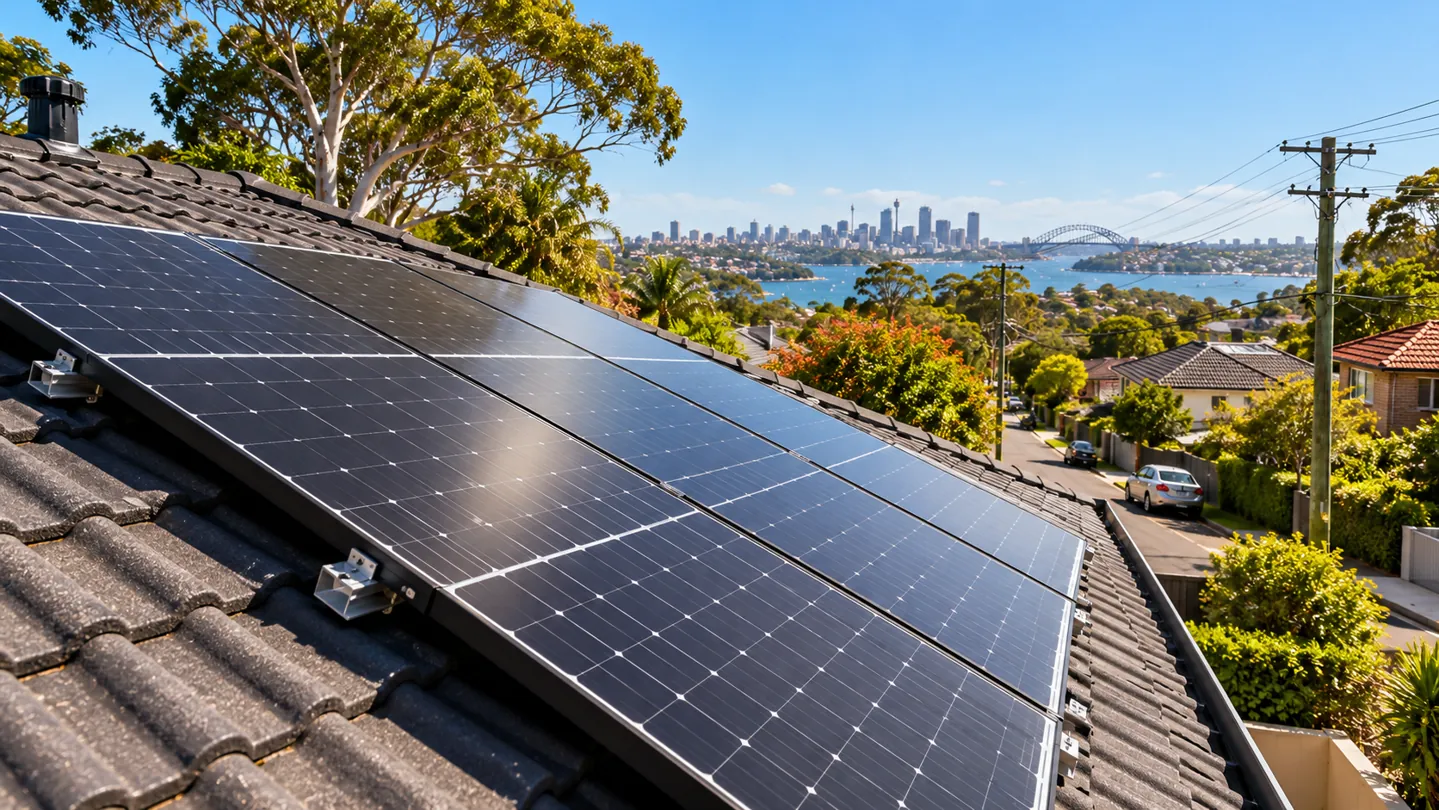
If you’ve had rooftop solar in Sydney for a few years, you’ve probably noticed the credit on your bill getting smaller. That’s not your imagination. The solar feed-in tariff NSW households receive for exported energy has been falling, and the regulator’s benchmark for 2026–27 dropped again.
Does that mean solar has stopped making sense? No. It means the way solar saves you money has changed. The value now sits in using your own energy, not selling it. This guide explains the new numbers, why they keep falling, and what Sydney households can do about it.
What Is a Solar Feed-in Tariff?
A feed-in tariff (FiT) is the amount your retailer pays you for each kWh of solar energy your system sends back to the grid. It shows up as a credit on your bill.
In NSW, retailers set their own feed-in tariffs. The Independent Pricing and Regulatory Tribunal (IPART) publishes a benchmark range each year as a guide to what a fair rate looks like, but retailers don’t have to match it.
The 2026–27 Benchmark: Down Again
According to Energy Matters’ summary of IPART’s decision, the all-day solar feed-in tariff benchmark for 2026–27 is 3.4 to 6.5¢ per kWh. In 2025–26 it was 4.8 to 7.3¢ per kWh.
IPART also publishes evening benchmarks, which recognise that solar exported late in the day is worth more to the grid:
| Network | Evening window | 2026–27 benchmark |
|---|---|---|
| Ausgrid | 4pm to 9pm | 17.2–18.7¢ per kWh |
| Endeavour Energy | 4pm to 8pm | 16.9–19.9¢ per kWh |
| Essential Energy | 5pm to 8pm | 26.6–33.3¢ per kWh |
There’s a catch with those evening figures. Rooftop solar produces very little in the late afternoon, especially in winter, so most panels simply can’t export much during those windows.
Actual retailer offers vary widely. Energy Matters reported flat rates ranging from around 3¢ to 10¢ per kWh, and some retailers have removed feed-in tariffs for certain customers altogether.
Why Exporting Pays Less Every Year
The reason is simple supply and demand. Millions of Australian rooftops produce energy at the same time: the middle of the day. The grid is flooded with cheap solar from late morning to mid-afternoon, so each extra kWh exported is worth less.
That’s the same logic behind the new Solar Sharer Offer, which gives NSW households on eligible plans free grid power from 11am to 2pm. When electricity is being given away at midday, nobody should expect to be paid much for exporting it at the same time.
The Real Problem: Sell Cheap, Pay Peak Prices Later
Consider a family in Baulkham Hills with a solar system installed in 2019. On a sunny Saturday, the panels export plenty of energy while everyone’s at sport. They earn a few cents per kWh for it. Then at 6pm, the lights, oven and air conditioning come on, the sun’s gone, and they buy power back from the grid at peak rates of up to 56¢ per kWh.
See the gap? That’s the gap every Sydney solar household is dealing with. When you export at around 5¢ and buy back at peak rates of up to 56¢, each kWh you store or use yourself can be worth up to ten times more than each kWh you sell.
How to Get More Value From Your Solar
- Run heavy appliances in daylight. Washing machines, dryers, dishwashers and pool pumps can run on timers in the middle of the day.
- Pre-cool or pre-heat the house. Run the air conditioner in the early afternoon while solar is producing, and coast into the evening.
- Charge an electric vehicle at home during the day if you can.
- Add storage. A battery lets you use midday solar at night, which is where the biggest savings are. Our guide to a solar battery vs no battery walks through the decision.
- Check your retailer’s FiT once a year. Rates change, and a better FiT elsewhere could be worth a switch if you export a lot.
How Is Tesseract ZERO Different?
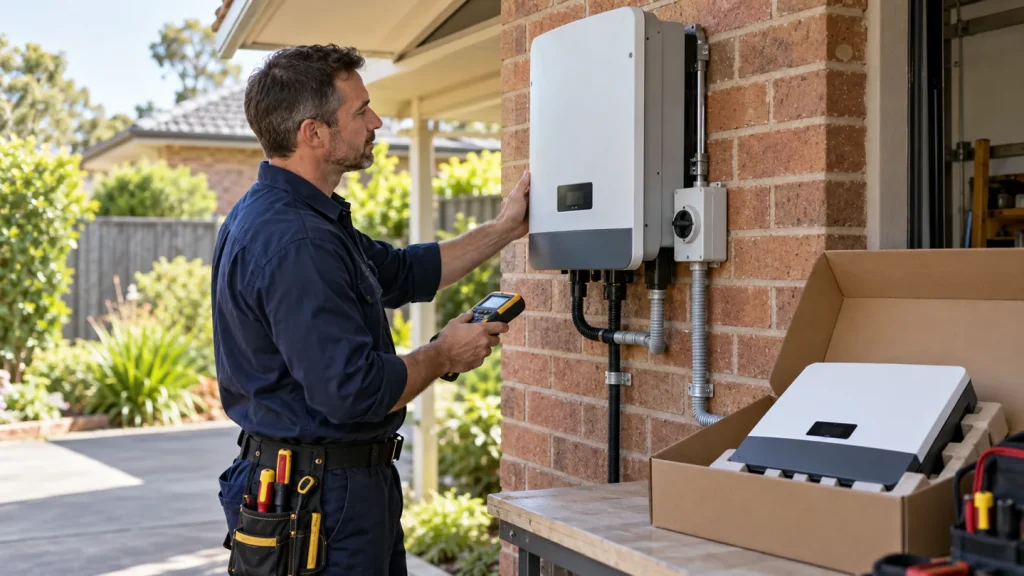
Falling feed-in tariffs are a strong argument for using more of your energy at home. Tesseract ZERO is built around exactly that. It’s a third way to energy: instead of buying all your power from the grid or buying your own system, we install solar and battery technology at your home, own it and manage it. Your home generates clean energy during the day and stores it for later, so you import less electricity from the grid in the evening.
You pay a fixed 28¢ per kWh for the clean energy your home uses, fixed for the 10-year agreement term, with $0 upfront. Solar generated at home can cover up to 70% of a household’s daily energy. Learn how it works on the Tesseract ZERO page.
FAQ
What is the solar feed-in tariff in NSW for 2026–27?
IPART’s all-day benchmark for 2026–27 is 3.4 to 6.5¢ per kWh, down from 4.8 to 7.3¢ in 2025–26. Retailers set their own rates, so check your plan.
Do NSW retailers have to pay the IPART benchmark?
No. IPART’s range is a guide only. Retailers can offer more, less, or in some cases no feed-in tariff at all.
Is solar still worth it in NSW with low feed-in tariffs?
It can be, but the value now comes from using solar energy at home rather than exporting it. Households that shift usage to daylight hours or store energy for the evening get the most benefit.
Conclusion
The solar feed-in tariff NSW households earn has fallen again, and the trend points one way. Exporting solar isn’t where the money is anymore. Using more of your own energy, especially in the evening peak, is. Whether you do that by changing habits, adding storage or choosing a different energy model, the goal is the same: import less expensive grid power.
Want to see what that looks like for your home? Send us one power bill. No cost, no obligation — and if it isn’t a good fit, we’ll tell you. Contact us here.
How is Tesseract ZERO different?
Clean energy made at your home, without buying the system.
Tesseract installs, owns and maintains solar and a battery at your home. You pay only for the clean energy you use, at one fixed rate for 10 years.